

Easy Short Rib Ragu
Succulent Short Rib Ragu: Your Next Favorite Pasta Dish
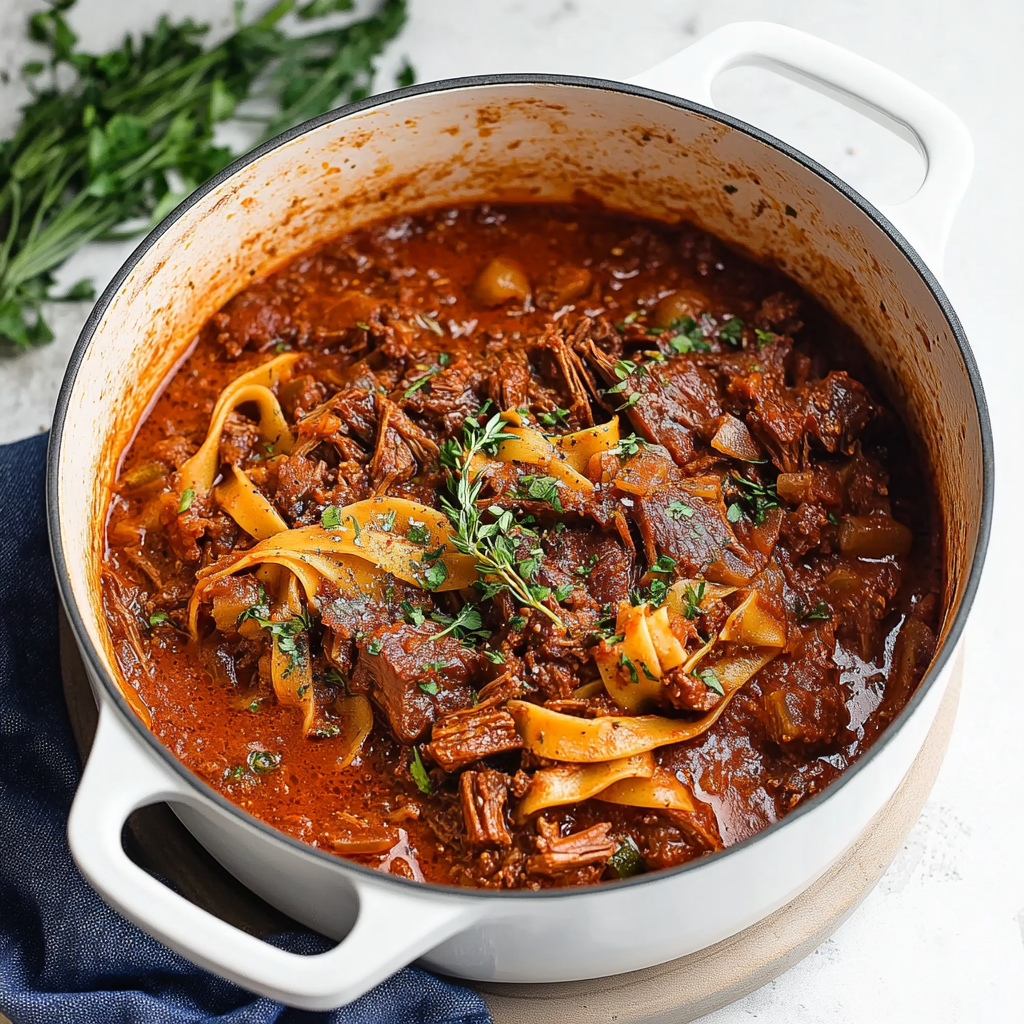
Welcome to your go-to guide for whipping up the most heavenly Short Rib Ragu, a dish that’s bound to become the centerpiece of your comfort food collection. Picture this: tender short ribs, slowly braised to fall-apart perfection, enrobed in a rich tomato sauce, lovingly ladled over a bed of perfectly al dente pappardelle pasta. It’s a recipe that sings of home, warmth, and the kind of heartiness that wraps you up like a well-worn blanket. Whether you’re simmering this ragu on a lazy Sunday afternoon or looking to impress at your next dinner party, this guide is designed to be easy-to-follow, ensuring that your foray into the art of slow-cooked ragu ends in a culinary triumph. Trust me, with a dash of patience and a sprinkle of love, you’ll be dishing out spoonfuls of comfort in no time.
Key Takeaways:
- A step-by-step guide to creating the ultimate comfort food, ensuring even beginners can achieve success.
- Focused on quality ingredients like fresh herbs and Parmesan cheese, elevating the flavor of the ragu.
- Tips on achieving the perfect texture and depth of flavor, making your short rib ragu a memorable meal.
Gathering Your Ingredients
- Boneless short ribs – essential for that fall-apart tender perfection we’re after.
- Beef broth – adds a rich, deep flavor as the base of our braising liquid.
- Tomato paste and crushed tomatoes – these bring a hearty tomato sauce to life with rich flavors.
- Onion, carrot, and celery – the classic trio for building a flavor foundation.
- Fresh thyme and red pepper flakes – for an aromatic touch with just the right kick of heat.
- Garlic – because what’s a ragu without the golden touch of garlic?
- Pappardelle pasta – wide, flat, and perfect for holding onto every bit of that savory sauce.
- Parmesan cheese – freshly grated for the best gustatory experience.
- Olive oil, salt, and black pepper – the essentials for seasoning and cooking.
- Heavy cream – to finish off the sauce with a silky, rich texture.
- Fresh herbs – a sprinkle of parsley or basil for a fresh pop of color and flavor right before serving.
Prepping the Short Ribs
Getting the short ribs ready for our ragu isn’t just about tossing them into a pot; it’s about infusing every bite with love and depth of flavor. Here’s how we do it:
- Pat the Short Ribs Dry: Grab some paper towels and pat each rib dry. This little step is crucial – moisture is the enemy of that golden-brown crust we’re aiming for.
- Trim the Excess Fat: While a bit of fat adds flavor, too much can make the dish greasy. So, take a sharp knife and trim off any excess fat. Honestly, it’s a bit of a balancing act!
- Season Generously: It’s time to season those ribs. Grab your black pepper and don’t be shy with it. Season every side of the ribs generously. This isn’t just seasoning; it’s laying the foundation of our dish’s flavor profile.
- Brown to Perfection: Now, we brown the short ribs on medium-high heat in a heavy-bottomed pot, preferably a cast iron. This step is not just about changing the color of the ribs; it’s about locking in those flavors and adding a rich depth to our ragu.
Browning the Meat
Starting with our hearty short rib ragu, let’s focus on one of the pivotal steps: browning the meat. Oh, how this step transforms the whole dish! I heat up my large Dutch oven over medium-high heat, a hint of excitement in the air. I’m about to unlock flavors that only this method can achieve. It’s all about getting that golden brown crust; it’s not just for looks, it’s where the magic starts.
- Pat the boneless short ribs dry with paper towels. It’s crucial for getting that perfect sear. Any moisture on the meat would steam instead of sizzle, and we’re after that rich, caramelized surface.
- Season generously with black pepper and salt. This isn’t just seasoning; it’s the foundation of flavor for our entire ragu.
- Add a dash of vegetable oil to the hot pan and lay the ribs in, avoiding overcrowding. This is where patience pays off. We’re looking for a deep, golden brown crust. It takes about 3-5 minutes per side, but oh, the flavor it adds to the ragu is immeasurable.
- Collect the browned bits from the bottom of the pot after removing the short ribs. These bits are flavor goldmines, infused with a concentrated essence of beef. When deglazed with beef broth, each little bit dissolves into a rich, savory base that’s the soul of our ragu.
Sautéing the Aromatics
Oh, trust me when I say, getting your aromatics just right can transform your short rib ragu from good to unforgettable. Here’s how we do it, step by step, keeping things as simple and delightful as usual:
- Start with a sturdy base: Heat some olive oil in a large dutch oven over medium heat. You want a heavy-bottomed pot that will cradle our veggies and ultimately our hearts in this cooking journey.
- Gentle and slow wins the race: Toss in the diced onion, celery, and carrot. This trio, my friends, is what I like to call the holy grail of flavor. Stir them around and let them sizzle gently. The key here is to allow them to soften without rushing. This process, taking roughly 2-3 minutes, is not just cooking; it’s alchemy.
- Watch the magic happen: As they soften, you’ll notice their colors deepen, their aromas mingle, and if you pay close attention, they’ll start to tell the story of your ragu before the first bite ever hits your mouth.
- The foundation of flavor: Once softened, these veggies will form the perfect foundation for our ragu sauce to build upon. It’s in these moments, my beloved home chefs, that you’ll see simple vegetables turn into the soul of your dish.
Creating the Sauce Base
Once we’ve got those short ribs beautifully browned and the kitchen smelling like a rustic bistro, it’s time to dive into creating that heartwarming sauce base that ties everything together. Let me walk you through it:
- Gather the heroes of this story: tomato paste, crushed tomatoes, and those all-important seasonings. Each plays a key role in adding depth and richness to your ragu.
- Invite the browned short ribs back to the party: Nestle them into the pot with your sautéed aromatics, whispering promises of the flavorsome journey they’re about to embark on.
- Building the foundation: Stir in the tomato paste, letting it coat the veggies and meat, deepening the flavors at the bottom of the pot. This is where the magic starts.
- Time to get saucy: Pour in those crushed tomatoes and sprinkle your carefully selected seasonings. Here we introduce the beef broth, creating a soothing bath for our short ribs to simmer and soften into spoonable delights.
- Low and slow is the way to go: Bringing everything to a gentle simmer, we close the lid on our aromatic treasure chest and let it do its thing. This is where patience pays off, transforming our collection of ingredients into a ragu that’s rich, thick, and fall-apart tender.
The Slow Cooking Process
The slow cooking process is where the magic really happens, turning our hefty short ribs into the kind of fall-apart tender morsels that dreams are made of. Whether choosing to go the traditional route with a heavy-bottomed pot on the stove top or leaning into modern convenience with a pressure cooker, this step is all about patience. So, let’s break it down, shall we?
- Heat up your Dutch oven or ready your pressure cooker with a touch of olive oil or vegetable oil over medium heat. It’s important to give our meat a cozy place to begin their transformation.
- Gently nestle the browned short ribs back into the pot, covering them with the rich tomato sauce we’ve prepared. This hearty tomato sauce, acting as both a braising liquid and flavor enhancer, will slowly seep into the meat, making it irresistibly succulent.
- Cook on low heat if using a Dutch oven, letting the ragù blip and bubble away for hours, or set your pressure cooker according to the manufacturer’s instructions for beef. The key here is ‘low and slow’ or ‘quick under pressure,’ aiming for fork-tender perfection either way.
- Once the meat is easily shreddable, you’ll know it’s done. This could take anywhere from 2 hours on the stove top to about 45 minutes in a pressure cooker. The result is the same: shredded short ribs steeped in a sauce so rich and full of flavor that it should be illegal.
By the end of this process, you’re not just making dinner; you’re crafting a meal that’ll wrap its arms around you and your loved ones, offering warmth and hearty satisfaction. And that’s exactly what the ultimate comfort food should do.
Preparing Pappardelle Pasta
Preparing the pappardelle pasta just right makes all the difference. Here’s how I do it, and trust me, it’s foolproof:
- Bring a large pot of salted water to a vigorous boil. This is where the magic starts.
- Add the pappardelle, giving it a good stir to prevent sticking. Those long, luxurious ribbons need their space to dance in the boiling water.
- Cook until it’s al dente. Testing a strand or two is my favorite part – it should still have a bit of bite to it. Remember, it’s going to soak up that rich, flavorful ragu sauce in a bit, so you don’t want it too soft right out of the gate.
- Reserve a cup of the pasta water before you drain the pasta. It’s gold! This starchy liquid is key for adjusting the ragu sauce to just the right consistency.
- Drain the pasta and it’s ready to marry with that luscious ragu.
This, my friends, is the best way to ensure your pasta and ragu come together in perfect harmony. A little pasta water can turn an already amazing dish into a sublime one, coating each strand of pappardelle in that rich, hearty tomato sauce we’ve labored over.
Combining Pasta and Ragu
- Drain your al dente pappardelle pasta, reserving a cup of pasta water to adjust the sauce’s consistency later.
- Gently fold the tender short ribs into the rich tomato sauce, letting every piece soak up the flavors.
- Combine the cooked pasta with the shredded meat and sauce, ensuring each strand is beautifully coated.
- If the sauce is too thick, a splash of reserved pasta water will bring it to the perfect consistency.
- Serve hot, garnishing with fresh herbs or Parmigiano Reggiano for that final touch of comfort.
Serving and Storage Tips

Serving this hearty short rib ragu is best done with a simple side salad, offering a refreshing contrast to the rich flavors. For storing, always opt for an airtight container, ensuring the ragu maintains its freshness. It’s fascinating how the flavors meld and deepen when savored the next day, transforming your dining experience. This not only makes the dish an ultimate comfort food but also a wonderful make-ahead option for stress-free entertaining or family dinners.
A Table Ready for Comfort
So, as we draw to a close, I encourage you – yes, you – to bring this heartwarming, hearty short rib ragù to your table. Whether it’s setting the stage for an inviting dinner party or simply adding a dose of comfort to a family meal, this dish promises satisfaction. With every fork-tender bite, infused with rich tomato flavor and perfectly paired with pappardelle pasta, you’re not just serving food. You’re crafting memories, spoonful by spoonful. Imagine the smiles, the warm chatter, and the contented silence that comes with delicious, comfort food. Isn’t that the best part of cooking? So, go ahead, make your next meal not just about feeding the body but warming the soul.

Easy Short Rib Ragu
Ingredients
- 10 oz pappardelle pasta
- 4 lbs boneless short ribs, trimmed of fat
- 3 cups beef broth
- 15 oz canned crushed tomatoes
- ¼ cup tomato paste
- 1 large onion, diced
- 1 rib celery, diced
- 1 large carrot, diced
- 2 teaspoons mince garlic
- 1 tablespoon balsamic vinegar
- 1 teaspoon smoked paprika
- 1 teaspoon dried thyme
- ½ teaspoon red pepper flakes, optional, for a little heat
- ⅓ cup heavy cream
- ½ cup Parmesan cheese, freshly grated
Instructions
- Prepare the short ribs: Pat them dry, trim off any excess fat, and season both sides generously with salt and pepper.
- Brown the meat: Heat 2 tablespoons of olive oil in a Dutch oven over medium-high. Working in batches, sear the ribs for 4–5 minutes per side, until well-browned. Transfer to a plate and set aside.
- Cook the aromatics: Reduce the heat to medium-low. Add the diced onion, celery, and carrot, cooking for about 12–15 minutes until softened and lightly caramelized.
- Build the base: Stir in the smashed garlic cloves, tomato paste, smoked paprika, thyme, and a pinch of red pepper flakes. Cook for 1 minute, stirring to coat the vegetables.
- Deglaze and simmer: Add the crushed tomatoes, balsamic vinegar, and beef broth. Stir to combine, then return the browned short ribs and any juices to the pot.
- Slow cook: Increase the heat until the mixture just reaches a boil, then lower it to a gentle simmer. Cover and cook for 2½–3 hours, or until the meat is fork-tender.
- Tip: After about a hour, check occasionally and stir to prevent sticking. If the sauce reduces too much, add a little water or extra broth.
- Cook the pasta: Near the end of the cooking time, bring a large pot of salted water to a boil. Cook the pappardelle until al dente, then drain—reserving 1 cup of pasta water.
- Finish the sauce: Once the meat is tender and the sauce has thickened, stir in the heavy cream and grated Pecorino Romano. Shred the short ribs into the sauce.
- Combine: Add the pasta and toss until well coated. If the sauce feels too thick, loosen it with a splash of reserved pasta water. Simmer for 1 more minute to bring everything together.
- Serve: Turn off the heat and serve warm, garnished with extra cheese or fresh herbs if desired.
